
25 September 2025
When I took up photography, I had no idea it would help me reconnect to the world. Creative expression has been very healing. So too has breaking the silence surrounding the intergenerational trauma which very much set the stage from the day I was born. And allowing the space for my body and mind to heal from its deep impacts.
As my mother gave birth to me and during her convalescence my two brothers (5 years and 18 months) stayed in Salvation Army care and my sister with relatives. My oldest brother, who participated in the Abuse in Care Inquiry, came home with an eating disorder and my other brother came home mute and stayed that way for around a year.
Then when I was 11 months old my father received news that his father had just died in psychiatric care. This would have been a huge shock as my father grew up believing he was dead.
I can talk about important life events in order. For example, in my late twenties I represented New Zealand at the FIFA Women’s World Cup in China. In my thirties I earned university qualifications and gave birth to my son. But these milestones also mask my struggles and the determination it has taken to stay afloat. Rather my healing journey has in no way been linear.
When my friend turned up with his camera one day, I was at a low point, and it was at least six months before I picked it up. I’d worked so hard to overcome my childhood and to build a good life, yet still felt so impacted by it. I had been feeling increasingly disconnected and despondent.
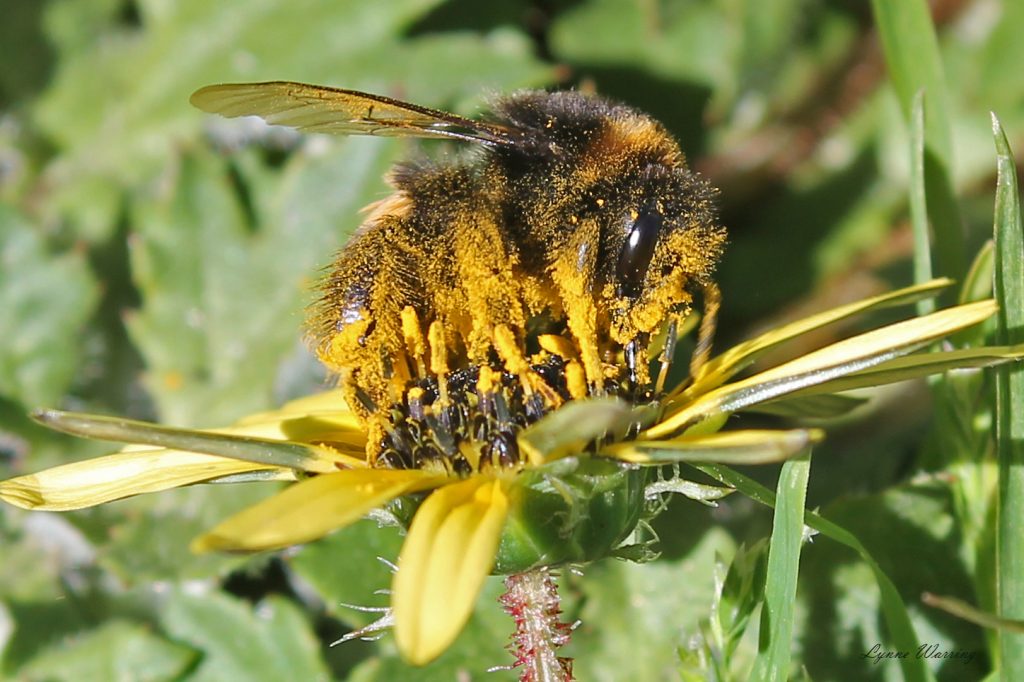
I remember aimlessly wandering around my backyard in the bright sunlight and crouching to snap bees as they landed on the numerous dandelions. When I looked through the viewfinder I was awestruck by the beauty and detail that I couldn’t see with the naked eye. From that moment I obsessively took photos to try and capture beauty.
After a while I progressed to street photography. I’ve come to see the act of capturing everyday life – it’s beauty, struggle, love, injustice, humour, colour, darkness, the absurd, infinite possibilities etc – as a form of storytelling. And the closer we examine life, our own and others, the more we’re able to reflect on and make informed choices about how we want to show up and what we want to sow for the future.
Next I found the courage to ask people about their lives. These positive exchanges felt like a mutual opening of the heart. Each time I’d walk away feeling a little more emboldened and connected to the courage and goodness in people. And also more hopeful.
I was very aware that I was story-telling through photography and through others. Yet I never talked about the events that had shaped me most, even with people I knew well. That was partly to do with the shame, even though it wasn’t mine to bare. When I finally found a way to express my story, it turned into an outpouring of grief.
During the process of writing it, I reached out for professional help, which helped me gain clarity, and take some distance from my past. I think unprocessed trauma sees us increasingly shut down and healing is the process of opening up. Not just to beauty, but also to feelings, such as grief, sadness and anger. It’s about finding hope, and creating a life that feels worthwhile and authentic.
There’ll be times when you doubt you’ve made any progress at all, and perhaps challenges that feel insurmountable. And when you’re on a healing journey, obstacles (sometimes big) and nudges can help steer you down the right path, if you pay attention.
Like around five years ago, when a number of major stressors stacked up like toppling dominoes. I was struggling to keep it together and trying antidepressants was the only option I thought I had. But rather than help, they made me worse and I was left incapacitated and unable to work. When I reached out to a somatic therapist, the only thing I felt I had was hope.
Many who have experienced significant trauma live with a dysregulated nervous system, and this is all we’ve known. This often make us feel tired, depressed and anxious, and at times unable to cope, but we don’t know what to do about it. Especially when we’re focused on just trying to make our way in the world. I’d tried many things – healthy eating, meditation, alternative therapies, exercise, yoga, etc. But I needed to find a way to dedicate myself to it over time. And I needed help with processing the trauma from my body and learning to feel safe enough to come down. My health remains my priority.
I now feel well and confident in being able to meet life’s challenges so that I can more fully enjoy the ride. And I can do things that I wasn’t previously able to do, like travel with ease. I believe we are at a time in history when stories that foster understanding, hope and courage are more important than ever.
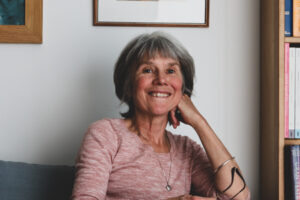
My Story by Lynne Warring